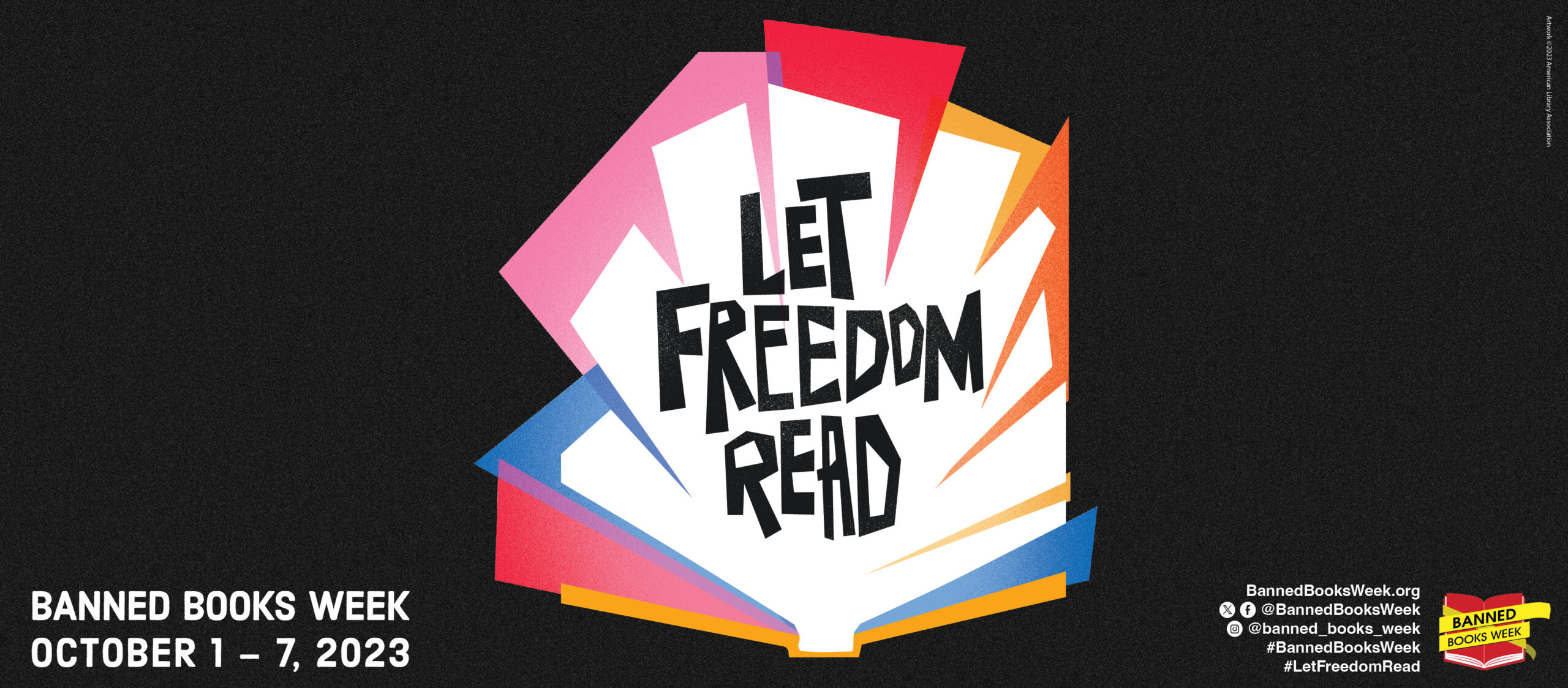
All students deserve access to an education that prepares them to succeed; to exercise their social, political, and economic rights; and to thoughtfully examine the whole truth of our history. To build an America as good as its ideals, we must first learn, reckon with, and honor our history until we grasp the full weight and consequence that it carries. Bans on inclusive curriculum, including whitewashing history, erasing inclusive mentions of sexuality and gender, and banning books is part of a long history of criminalizing education. The vocabulary has changed, but the agenda has not.
These tactics are all part of a larger attempt from the narrow-minded few to exclude people of color and LGBTQI+ people:
- Between January 1, 2021 and December 31, 2022, government actors (federally and across 49 states and their localities) introduced a total of 563 anti-“CRT” measures, 241 of which have been enacted or adopted (as of April 2023). (source)
- In the first half of 2023, 30% of the unique titles banned are books about race, racism, or feature characters of color. Meanwhile, 26% of unique titles banned have LGBTQ+ characters or themes. (source)
Our students deserve better. And the majority agrees – 80 percent of parents want to protect the ability of young people to have access to books from which they can learn about and understand different perspectives and help them grow into adults who can think for themselves. (source)
Banned Books Week (October 1 – 7)
Book bans are one piece in a decades-long attack on our civil rights, one of many attempts to weaken inclusive curriculum and enforce a narrow view of how people should be and live in the world. They seek to prevent our voices from being heard and weaken our multiracial democracy.
October 1 – 7 marks national Banned Books Week, a campaign to challenge book banning and uplift the freedom to read. Learn more about some of the most frequently banned books of the past year:
- “Gender Queer,” by Maia Kobabe
- “All Boys Aren’t Blue,” by George M. Johnson
- “The Bluest Eye,” by Toni Morrison
- “Flamer,” by Mike Curato
- (Tied) “Looking for Alaska,” by John Green.
- (Tied) “The Perks of Being a Wallflower,” by Stephen Chbosky
- “Lawn Boy,” by Jonathan Evison
- “The Absolutely True Diary of a Part-Time Indian,” by Sherman Alexie
- “Out of Darkness,” by Ashley Hope Perez
- (Tied) “A Court of Mist and Fury,” by Sarah J. Maas
- (Tied) “Crank,” by Ellen Hopkins
- (Tied) “Me and Earl and the Dying Girl,” by Jesse Andrews
- (Tied) “This Book is Gay,” by Juno Dawson
Check Out Our Podcast to Learn More
Tune in to season 6 episode 9, part 1 and part 2, with host Kanya Bennett as we discuss banning books, queer people, and Black history — with Professors Karsonya “Kaye” Wise Whitehead and Khalil Gibran Muhammad, as well as children’s book writer Maggie Tokuda-Hall. We cover the curriculum censorship that stifles critical discussions around race and racism in America.